Table of contents
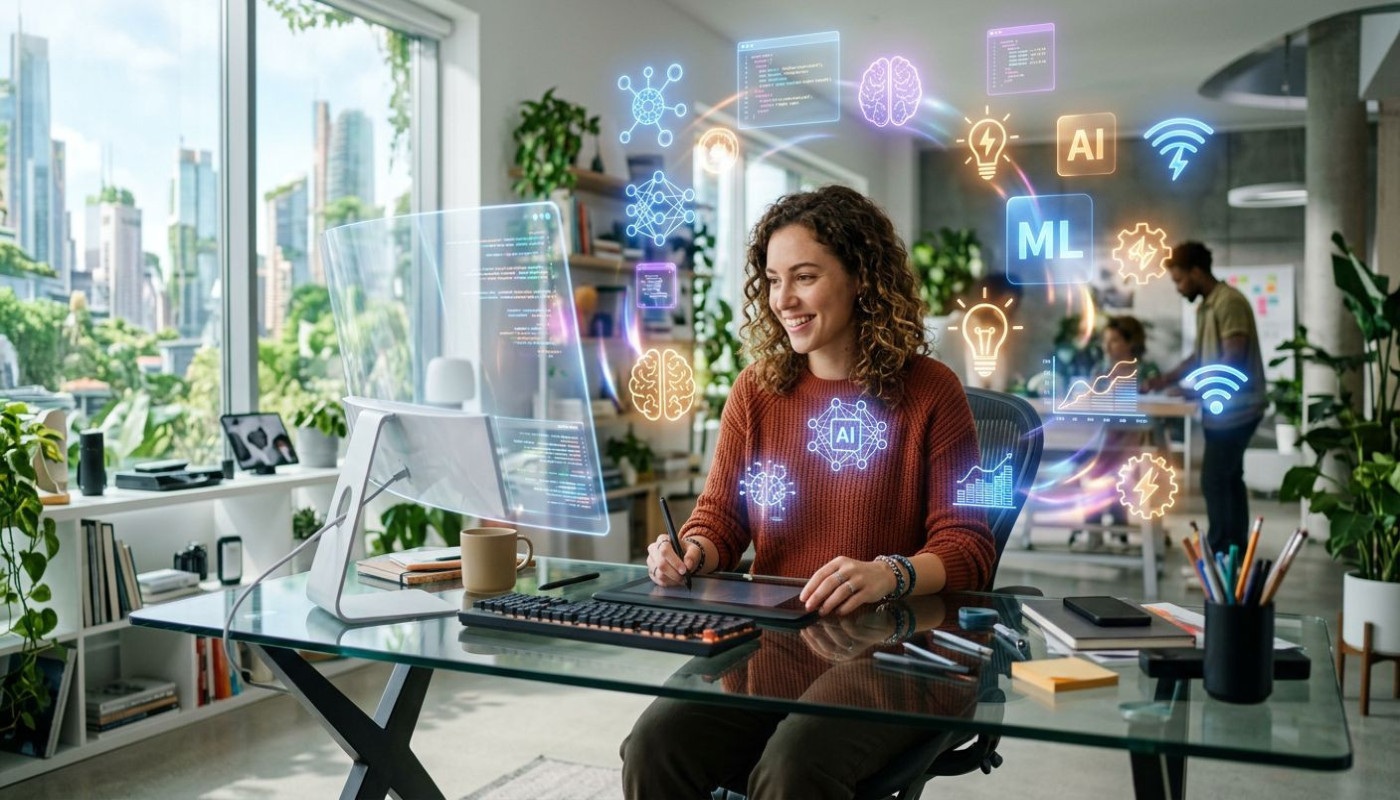
Unlimited access to artificial intelligence tools has rapidly transformed the way individuals approach creative projects, sparking both excitement and debate within creative communities. As these advanced systems become commonplace, questions arise regarding their influence on originality, innovation, and skill development. Explore the following insights to uncover how the proliferation of AI tools is reshaping creative boundaries and inspiring new forms of expression.
The evolution of creative workflows
AI-powered tools have fundamentally reshaped creative workflows by leveraging automation and machine learning to streamline every stage of the creative process. Generative algorithms, in particular, have made brainstorming faster and more dynamic, enabling users to generate a multitude of ideas in real time based on input parameters and previous data patterns. This shift not only accelerates ideation but also supports rapid prototyping, as AI can quickly transform concepts into tangible prototypes, reducing the time spent on manual revisions. In digital creativity, these tools facilitate seamless project management by predicting bottlenecks, allocating resources efficiently, and offering smart suggestions that optimize task flow. The integration of automation within creative workflows empowers teams to allocate more focus to strategic decision-making, as repetitive or labor-intensive tasks are handled by machine learning systems. The result is a new paradigm where AI-powered tools enhance not just productivity, but the very nature of inspiration and innovation in digital creativity.
Empowering individual inspiration
Unlimited AI access significantly transforms user creativity by enabling individuals to draw on vast digital tools and neural networks, extending their creative boundaries beyond traditional limitations. With continuous feedback loops and innovative resources, users experiment more freely, develop unique perspectives, and experience heightened inspiration. The accessibility of advanced AI not only accelerates self-expression but also fosters a culture of experimentation, making creative opportunities more widely available than ever before. This democratization is particularly evident in collaborative sites where users from diverse backgrounds can engage and inspire each other, leveraging shared resources to refine their work and unlock new forms of creativity.
Digital platforms that offer unlimited AI access break down previous barriers to entry, granting individuals the tools to iterate, prototype, and express their ideas with unprecedented speed. As a result, inspiration is no longer confined to those with specialized training or expensive software, as neural networks can suggest, refine, and even co-create alongside users. The ecosystem of user creativity now benefits from a more inclusive approach, empowering anyone to push creative boundaries and innovate within their field.
Balancing originality and reliance
Unlimited access to AI tools introduces a dynamic interplay between user originality and algorithmic support. While AI-powered platforms can rapidly accelerate idea generation and help users overcome creative blocks, there is a growing concern about AI dependence leading to homogenization of concepts and reduced creative ownership. As individuals integrate AI into their workflows, it becomes easier to rely on suggested solutions and patterns commonly found in algorithms, potentially dampening unique perspectives. This risk is compounded by the presence of algorithmic bias, where AI models trained on similar datasets may perpetuate mainstream or repetitive outputs. Maintaining a balance requires conscious effort to blend personal insight with algorithmic assistance, ensuring that human ingenuity remains at the forefront while leveraging technology to expand creative possibilities.
Collaboration in the digital age
AI-driven platforms have revolutionized digital collaboration by enabling creative teams to engage in seamless communication, co-creation, and the integration of diverse skill sets. Utilizing collaborative filtering, these tools analyze preferences and behaviors, suggesting optimal matches for project partners or resources, which increases synergy and productivity. Digital platforms support real-time teamwork, allowing multiple users to contribute, edit, and refine ideas simultaneously, transforming traditional isolated work into interconnected creative ecosystems. This shift empowers teams to harness collective intelligence, resulting in richer, more innovative outcomes as varied perspectives are easily merged. AI tools not only facilitate collaboration but also foster communities where continuous feedback loops and dynamic project development become the standard in creative industries.
Skills for the future creator
In a landscape where AI tools are ever-present collaborators, creative professionals must cultivate new future skills to stay relevant and innovative. Developing AI literacy stands at the forefront, requiring individuals to not only understand how these technologies function but also how to harness their capabilities for imaginative problem-solving. This process involves digital adaptation, meaning ongoing comfort with evolving platforms and applications. Computational thinking emerges as a fundamental competency, empowering creators to deconstruct complex problems, recognize patterns, and design solutions that balance human ingenuity with machine assistance. Such proficiency transforms AI from a mere instrument into a powerful creative partner, expanding possibilities across artistic, design, and communication fields.
Adopting adaptive creative mindsets is equally significant, as rapid technological shifts demand resilience and a willingness to experiment within unknown territories. Future-ready creators become lifelong learners, drawing on digital literacy to discern credible sources, evaluate the outputs generated by AI, and synthesize diverse ideas. Critical thinking enables professionals to continually reassess their methodologies, challenge assumptions, and push boundaries rather than relying solely on algorithmic suggestions. This mindset fosters innovation, ensuring that AI serves as a catalyst rather than a replacement for original thought.
As the integration of AI into creative workflows becomes standard, ethical considerations must guide every stage of the process. Responsible creative professionals weigh the implications of data use, originality, and bias in AI-generated content. Emphasizing transparency and accountability, they strive to maintain integrity in their work while respecting intellectual property and privacy. By intentionally developing skills in AI literacy, digital adaptation, and computational thinking, creators lay a strong foundation for success in an environment where technology and human expression are inextricably linked.
Similar articles
Exploring The Latest Innovations In Personal Technology

How Has Modern Technology Reshaped The Experience Of Playing Poker Online?

Key Indicators That Your Website Is Under A DDoS Attack
Next-gen cybersecurity strategies for IoT devices
Exploring The Benefits Of Custom AI Solutions For Diverse Industries
How Integrating Chatbots Enhances Multi-channel Customer Service
Exploring The Future Of AI Text Detection Technologies
Exploring The Efficiency Of Free Fundraising Tools For Nonprofits
How Free Online AI Tools Are Democratizing Access To Advanced Technology